Prismatic Software Editorial Team

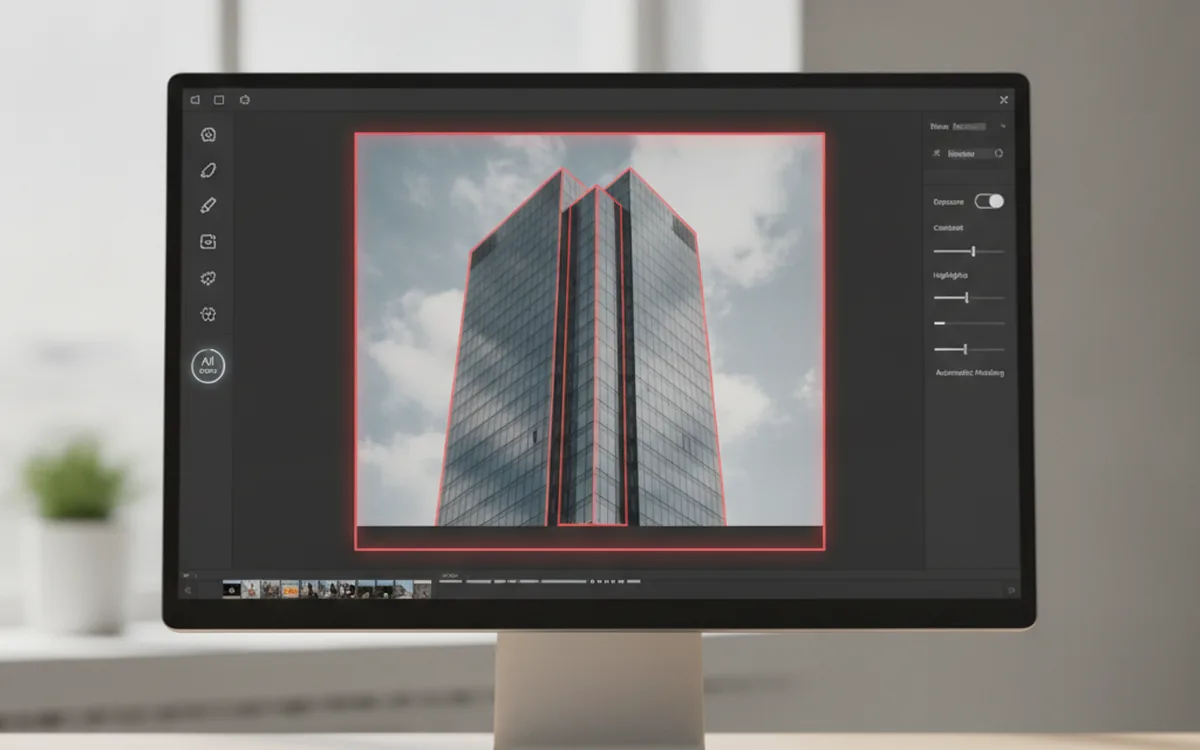
ON1 shipped Photo RAW 2027 for Mac and Windows on November 2, and the release leads with a rebuilt RAW processing engine that ON1 says photographers preferred roughly 3-to-1 over the 2026 engine on adjusted files, and about 2-to-1 straight out of camera (Unite.AI). The update also rolls out a new AI Culling Assistant, available only in the Photo RAW MAX 2027 edition, alongside improved noise reduction and masking (PR Newswire).
A feature like automated culling only ships once a vendor is confident the underlying model holds up across thousands of real shoots, and getting a narrowly scoped AI tool from a working prototype to something that ships inside a desktop app with predictable, explainable output is exactly the kind of scoped build a team would validate with an MVP development team at YuSMP Group before committing to a full release cycle.
A new RAW engine and reworked NoNoise AI
The headline change in Photo RAW 2027 is the processing engine behind every adjustment: ON1 rebuilt how the app decodes and renders RAW files, which is also what drives the noise-reduction gains in the updated NoNoise AI model. ON1 reports 10x faster subject or background mask creation and 10x faster re-editing of photos using NoNoise AI and complex edits compared with the 2026 release (Unite.AI).
For anyone processing camera RAW in bulk, a faster render pipeline matters more than any single filter: it's the difference between re-editing a shoot in minutes versus leaving the machine running overnight, which is the same bottleneck a tool like PhotoBatch is built to remove on the batch-conversion side once individual edits are locked in.
AI Culling Assistant arrives in MAX
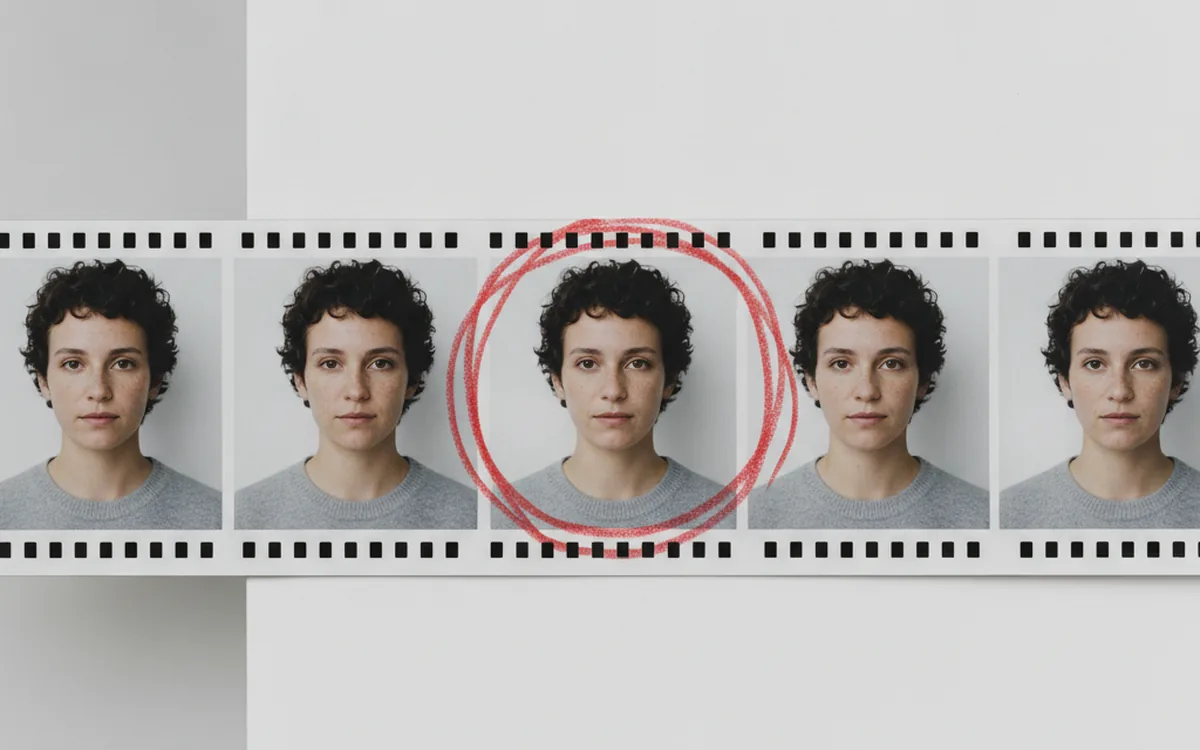
The new Culling Assistant groups similar and duplicate photos, flags closed eyes and out-of-focus frames, and lets a photographer compare a whole burst side by side with synced pan and zoom before applying ratings, edit presets, and export settings to the keepers in one batch (PR Newswire). It's exclusive to Photo RAW MAX 2027, which is priced at $169.99 as a one-time purchase or available as a $89.99/year subscription; the standard Photo RAW 2027 edition is $99.99 (Unite.AI).
That's the same job manual culling has always done — sort the keepers from a 2,000-frame wedding burst — except a model now does the first pass instead of a person scrubbing through thumbnails one at a time.
Why a culling model is harder to ship than it looks
Automated culling sounds simple from the outside: flag the blurry ones, group the duplicates, done. In practice it means a model has to judge focus, expression, and framing well enough that photographers trust it to pre-sort a paid shoot, and it has to do that fast enough across GPUs of wildly different ages to be usable in a desktop app rather than a cloud service. ON1 said it is not moving Photo RAW to a subscription-only model, which means that model also has to run acceptably on hardware the company doesn't control (Unite.AI).
That's the pattern across most desktop photo tools shipping AI features this year: the model itself is a small, contained decision — is this frame sharp, is this a duplicate — but the surrounding work of training data, inference performance, and a UI that lets a photographer override a wrong guess is a separate, scoped build. Vendors validate that scope as a standalone feature before it becomes a bullet point in an annual release, which is closer to how an MVP gets built and tested than how a whole application gets rewritten.
The bottom line
Photo RAW 2027's real news is the engine underneath it — faster rendering and better noise reduction touch every photo a user edits. The Culling Assistant is the more visible addition, but it's also the narrower one: a single, well-scoped AI feature that ON1 chose to gate behind its MAX edition rather than bundle into the base release, which tells you how deliberately vendors are now shipping AI tools inside desktop photo software.