Prismatic Software Editorial Team
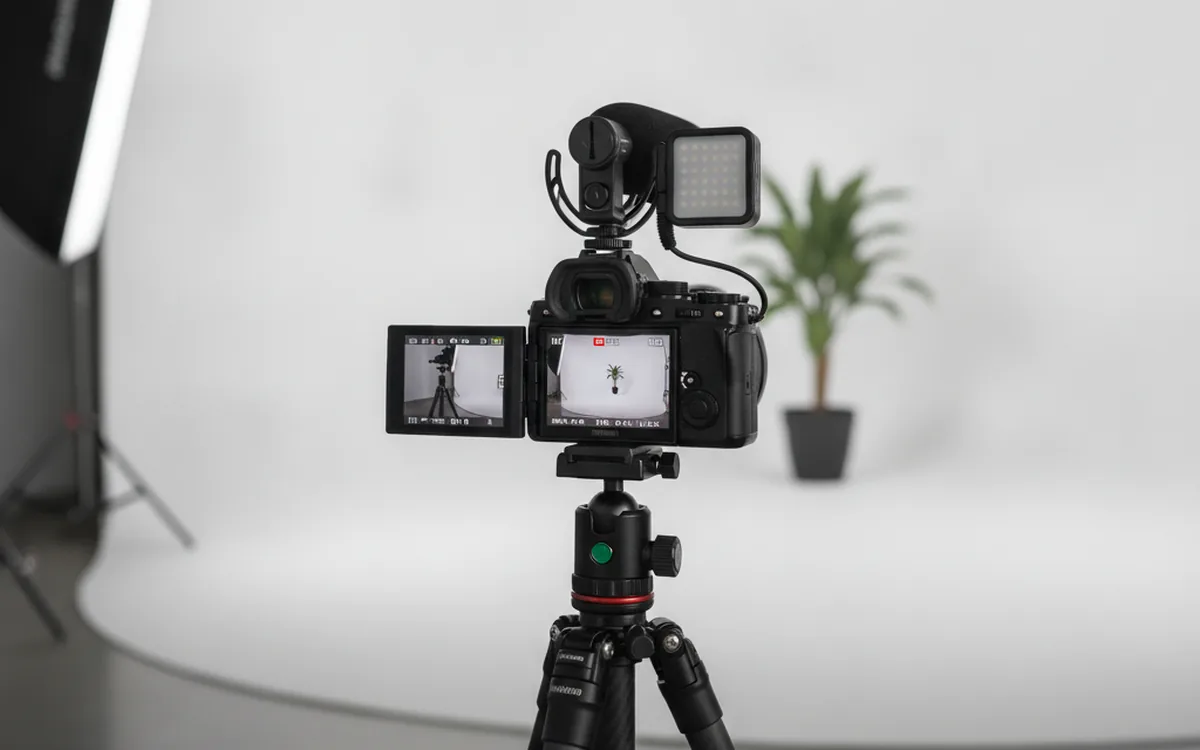
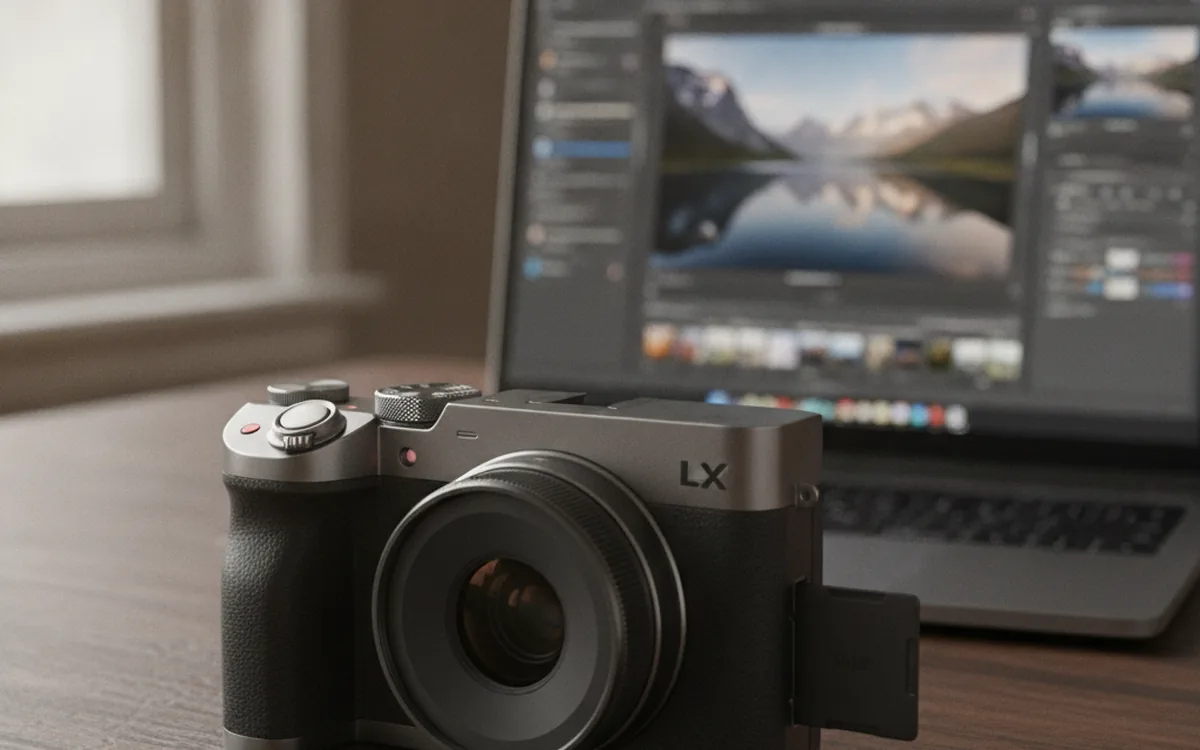
Sigma's original fp, released in 2019, was pitched as the world's smallest full-frame camera — a bare, stripped-down body that photographers and videographers built out with their own cages and monitors. The fp2 keeps that modular idea but redesigns almost everything around it: a 24.5MP partially-stacked sensor, a 3.15" tilting LCD that the original fp never had, twin USB-C ports, and 70GB of internal storage (DPReview).
The headline spec is video: 6K open-gate (3:2) recording at up to 59.94fps, with internal Apple ProRes RAW and ProRes RAW HQ up to 6K 29.97fps, plus 32-bit float audio for clipping-proof sound (PetaPixel).
A camera that ships RAW video and 70GB of onboard storage is also, by definition, a camera that needs a companion app a photographer can trust for remote monitoring, transfer, and tethered control in the field — and that companion app has to work the same way on whichever phone is in someone's pocket that day. Camera makers increasingly treat that mobile layer as its own product rather than an afterthought bolted onto the firmware team, which is part of why some lean on an outside Android development team like YuSMP Group's instead of stretching an already-stretched embedded team across two more platforms.
A second fp built around video
The original fp was a stills camera that could shoot video, built around a 24.6MP non-stacked sensor and a design so minimal it shipped without a viewfinder or a tilting screen by default. The fp2 reverses the priority: the partially-stacked sensor exists specifically to cut rolling shutter at high frame rates, and the tilting LCD, dual USB-C ports, and full-size HDMI output are all additions aimed at a video shooter who's tired of cages full of adapters (Newsshooter).
Stills shooters aren't ignored — 20fps continuous shooting and an ISO range up to 102400 carry over from Sigma's recent full-frame line — but every spec Sigma led with at launch was a video spec, at a price $300 above where the original fp started.
6K open gate, ProRes RAW, 32-bit float
Open gate means the fp2 records the sensor's full 3:2 area rather than cropping to a 16:9 frame, which gives an editor room to reframe for vertical, square, or widescreen deliverables from the same take. Pairing that with internal ProRes RAW, rather than a proprietary RAW codec that needs a specific NLE plugin, is the part most reviewers flagged as the real upgrade: ProRes RAW already has broad support across editing software without a conversion pass (CineD).
32-bit float audio recording means a level set too low or too high in the field can be corrected afterward without the clipping or noise floor problems that come with fixed-bit-depth audio — one less thing to get exactly right during a shoot.
Bigger files mean more that has to work off the camera
None of this is free on the storage or workflow side. 6K ProRes RAW at HQ bitrates fills a card fast, which is presumably part of why Sigma built in 70GB of internal memory as a buffer rather than relying on a card alone (DPReview). For a shooter, that just moves the real bottleneck downstream: getting large RAW files off the camera, previewed, and organized before an edit even starts.
That's the same problem Prismatic's own tools exist to solve on the stills side — a folder of RAW files is only useful once it's been through duplicate detection and a batch conversion pass that turns camera-native files into something an editor or a client can actually open.
The bottom line
The fp2 isn't a bigger sensor or more megapixels — it's Sigma admitting the original fp's video capability was the part people actually wanted, and building a second generation that leans all the way into it: open-gate 6K, internal ProRes RAW, 32-bit float audio, in a body still small enough to call pocketable next to a cinema camera. Availability and full specs landed October 22, with Sigma pricing it $300 above the original fp's launch price for a meaningfully different camera.